Bob haircuts for wavy hair are especially versatile because natural bends bring dimension and personality to the classic cropped shape. Instead of requiring perfectly smooth styling, a thoughtfully shaped bob can work with existing texture, encouraging waves to create volume, softness, and movement. Length, layering, bangs, and parting placement can all influence how naturally wavy hair settles.
From jaw-length cuts to longer bobs with flowing layers, there are numerous ways to personalize this hairstyle. The following 13 bob haircuts balance structure with natural texture, making them practical for different densities, wave patterns, and styling preferences while keeping the finished appearance fresh and contemporary.
Why Naturally Textured Bobs Continue to Stand Out
Wavy bobs remain popular because they combine a recognizable silhouette with texture that rarely looks exactly the same twice. Natural movement softens strong perimeters, gives layers greater dimension, and creates fullness without requiring elaborate styling. That combination allows the haircut to appear polished without becoming overly controlled.
Their staying power also comes from flexibility. Waves can be defined, tousled, stretched, or smoothed depending on the occasion, while bangs and parting changes provide additional variety. A well-shaped bob therefore offers multiple finishes without requiring an entirely different haircut whenever styling preferences change.
Textured Chin-Length Bob
A textured chin-length bob gives natural waves enough freedom to create movement while maintaining a compact, recognizable shape. Keeping the perimeter relatively substantial prevents the haircut from appearing overly wispy, while subtle internal layering helps dense areas settle more comfortably.

Apply lightweight wave cream to damp hair, then scrunch gently before air-drying or diffusing on low heat. Avoid repeatedly touching the hair while it dries because unnecessary handling can disrupt definition. Once dry, separate selected sections with your fingertips for an effortless, naturally dimensional finish.
Wavy Bob With Side Part
A side part introduces asymmetry to a wavy bob while encouraging natural root lift through the heavier section. Loose bends around the face create softness, and the shifted volume gives the hairstyle an easy sense of movement without requiring extensive layering.
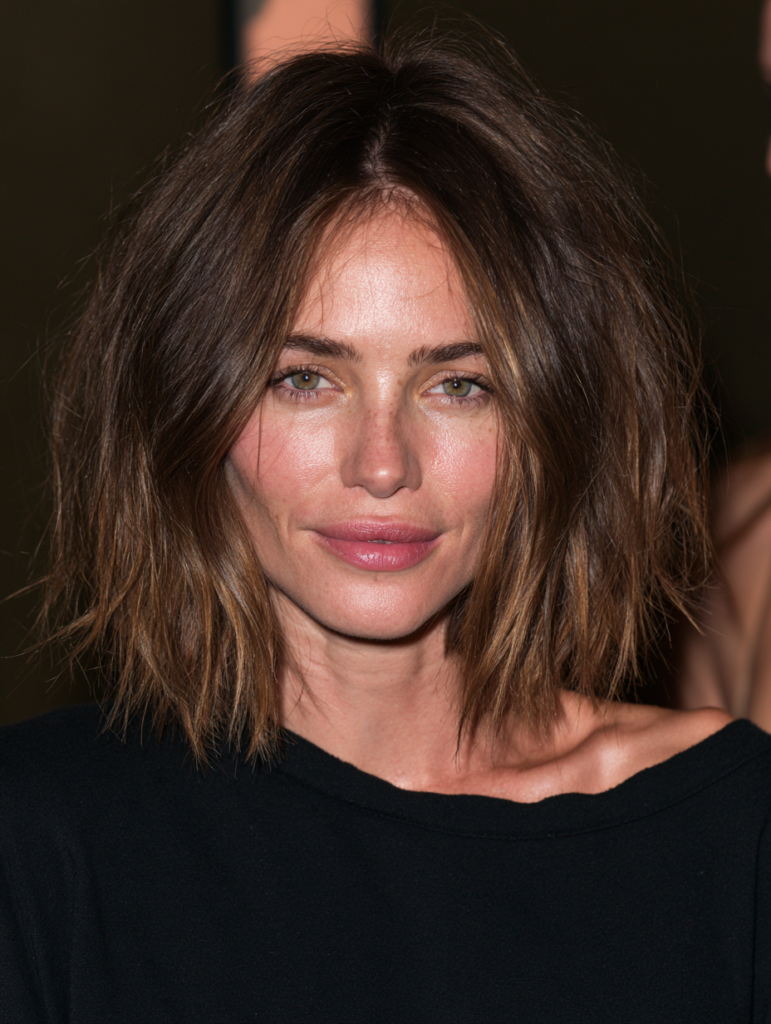
Work lightweight mousse through damp lengths, then encourage the waves with gentle scrunching. If additional definition is needed, reshape a few front pieces individually rather than styling every section. This simple approach preserves natural variation while giving the bob enough polish for everyday wear and special occasions.
Blunt Wavy Bob
A blunt perimeter gives wavy hair a strong foundation, creating visible density while natural bends soften the haircut’s clean lower edge. This combination works particularly well when the hair does not require extensive layering to control weight or encourage movement.
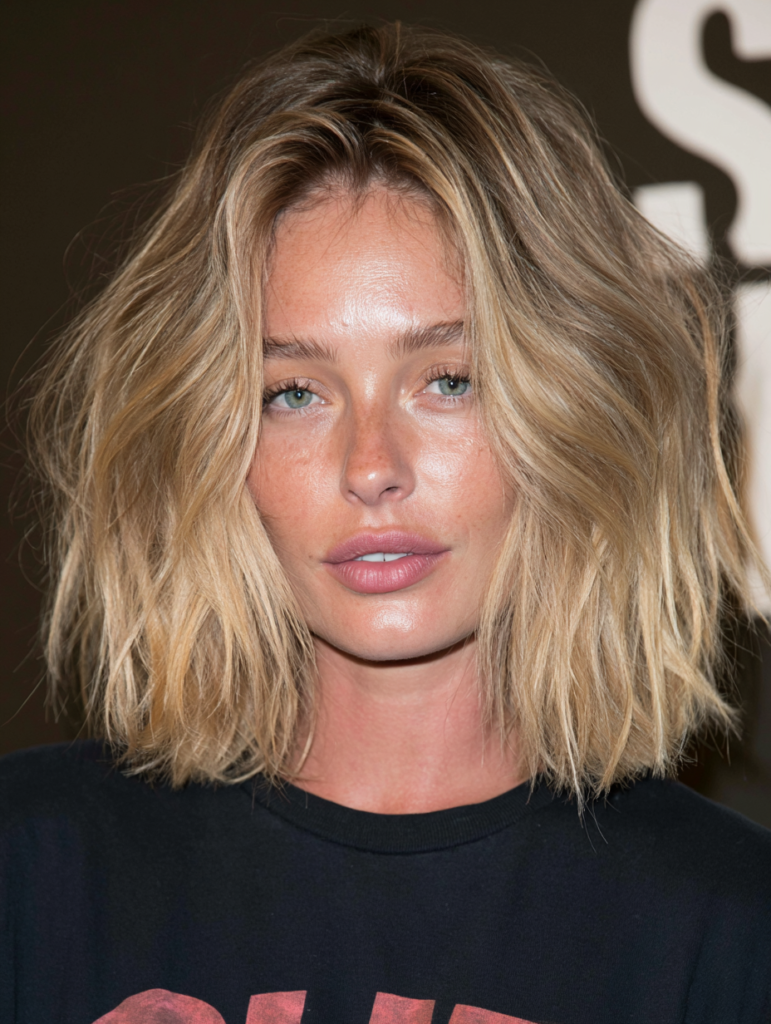
Keep internal shaping minimal so the bob maintains its substantial appearance through the ends. Apply lightweight styling cream and allow the natural texture to develop while drying. Several irregular bends can be refined afterward if necessary, producing a modern hairstyle that balances structured lines with relaxed movement.
Layered Wavy Bob
Strategic layering allows natural waves to move independently rather than collecting into a dense, triangular silhouette. Keeping the layers long and blended preserves fullness through the perimeter while encouraging softness around the crown, sides, and face.

Apply mousse or lightweight wave cream before diffusing, concentrating on enhancing the existing pattern rather than creating uniform curls. Once the hair is completely dry, lift selected roots gently and separate several waves. The finished bob feels airy and dimensional while maintaining enough structure for a polished everyday appearance.
French Bob With Wavy Texture
A French bob typically sits around the jaw, creating a chic compact shape that becomes softer when paired with natural waves. Gentle texture prevents the shorter perimeter from appearing rigid, while an understated fringe can bring additional movement around the forehead.

Encourage slight irregularity rather than attempting to make every wave identical. Scrunch lightweight mousse into damp hair and allow it to air-dry whenever possible. Finger styling afterward can refine the shape while preserving its relaxed character, giving this classic bob a fresh and effortlessly contemporary personality.
Wavy Bob With Curtain Bangs
Curtain bangs blend beautifully with a wavy bob because their parted shape creates movement around the forehead and cheekbones. Longer outer sections transition naturally into the surrounding waves, preventing the fringe from appearing disconnected from the rest of the haircut.
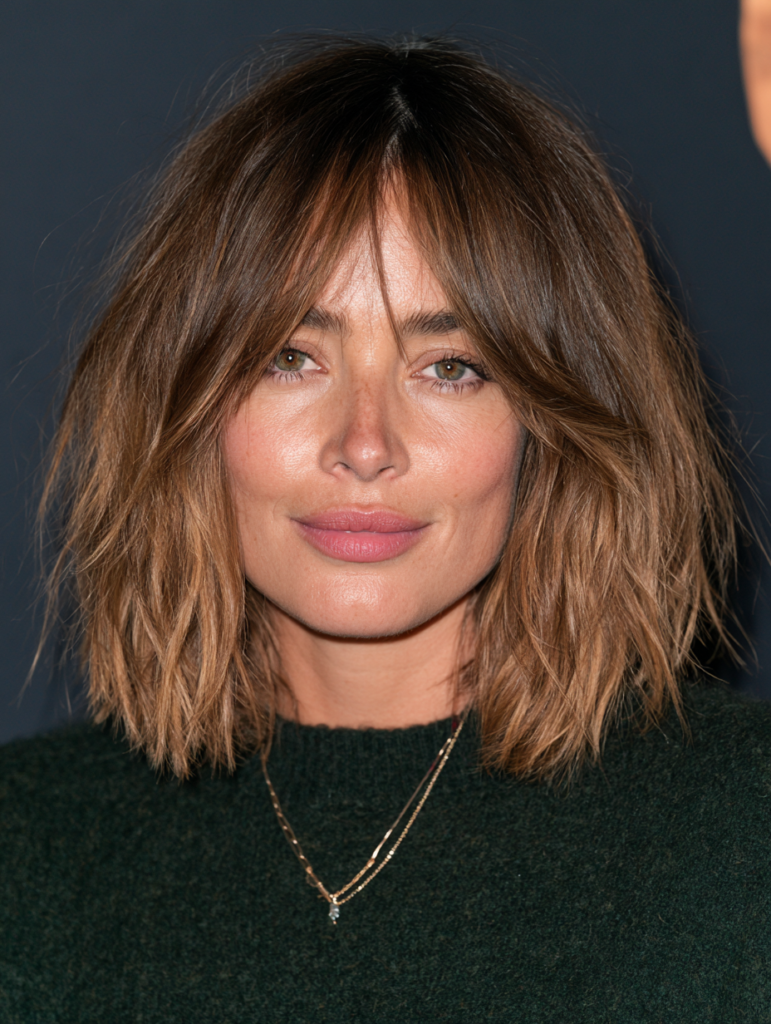
Style the bangs away from the center using a small round brush or encourage their natural bend with your fingers. Keep the remaining texture relaxed and slightly irregular. This combination creates a soft, dimensional hairstyle that offers plenty of face-framing movement without demanding a heavy or precisely styled fringe.
Tousled Jaw-Length Bob
A jaw-length bob gains contemporary personality from tousled waves that break up its compact silhouette. Keeping the texture irregular allows natural bends to create dimension, while a relatively strong perimeter ensures the hairstyle maintains recognizable structure and visible fullness.
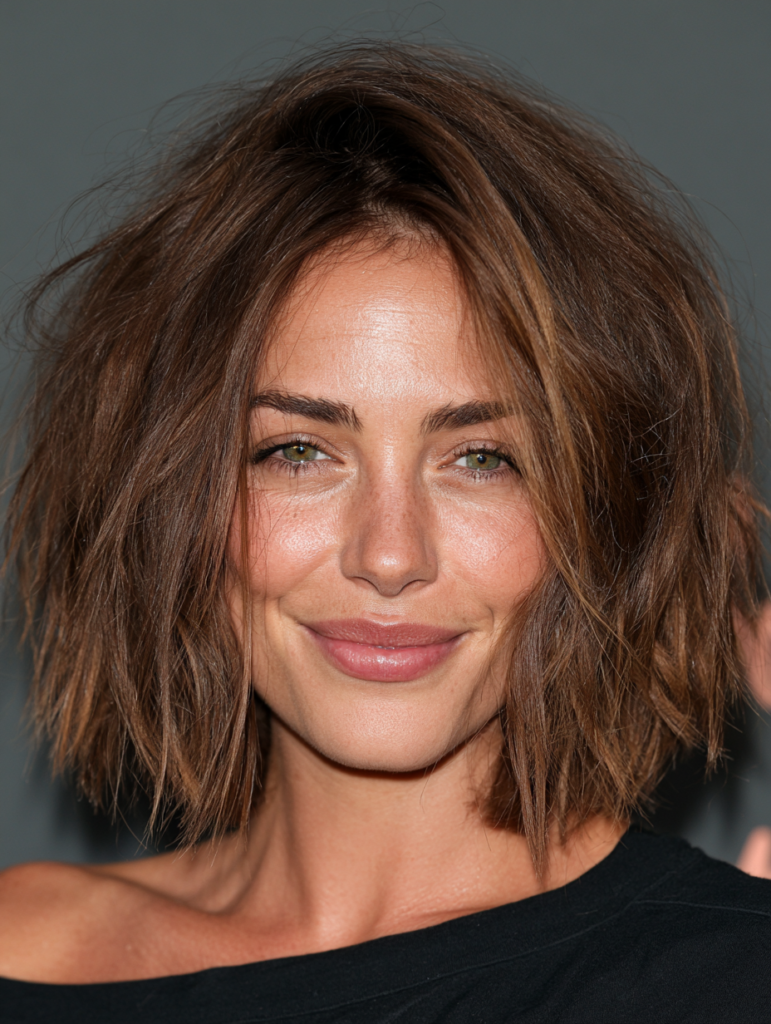
Apply lightweight mousse and scrunch gently during drying, avoiding excessive brushing that can disrupt the natural wave pattern. Several front sections can be reshaped afterward if additional definition is desired. The finished bob feels relaxed and spontaneous while remaining polished enough for work, weekends, and more elevated occasions.
Angled Wavy Bob
An angled bob keeps the back slightly shorter while allowing the front sections to extend farther toward the jaw or neckline. Natural waves soften this directional structure, creating movement while still allowing the haircut’s distinctive forward angle to remain visible.

Avoid excessive layering near the front because maintaining some weight helps emphasize the elongated shape. Encourage waves through the middle lengths while keeping selected ends straighter. This balance between structured cutting and relaxed texture creates a modern bob that feels dynamic without becoming difficult to maintain or style.
Shaggy Wavy Bob
A shaggy bob uses varied layers to amplify natural waves, creating a relaxed silhouette with movement through the crown and sides. Shorter upper pieces encourage volume, while longer lower sections maintain enough weight to prevent the hairstyle from becoming excessively fluffy.
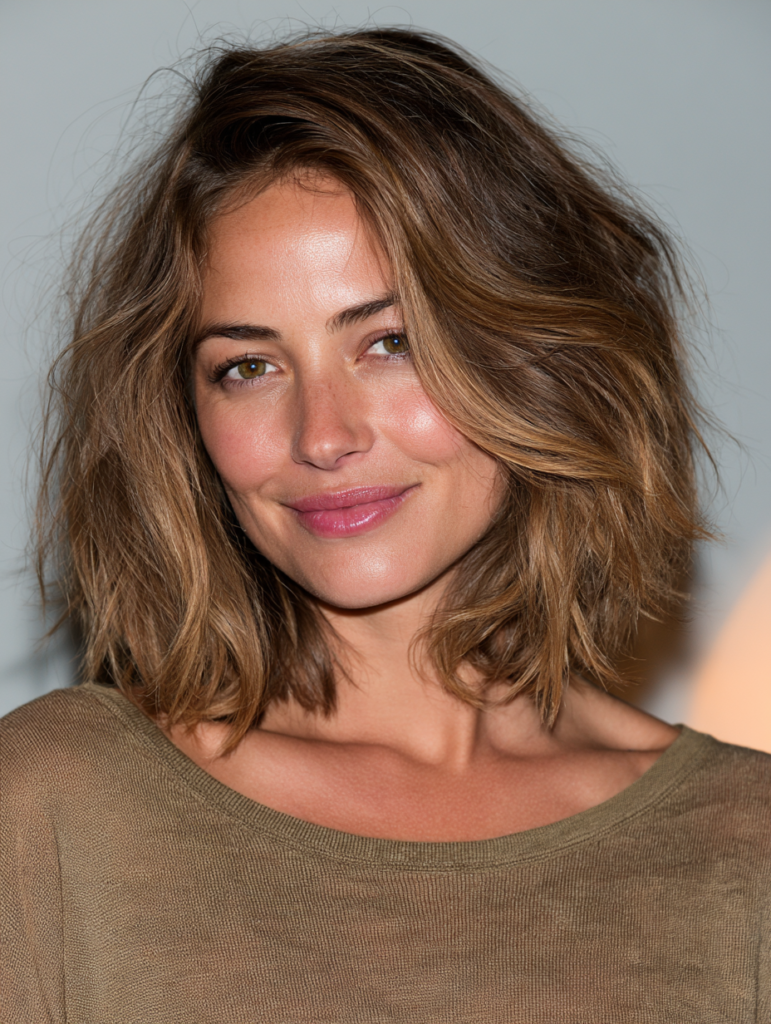
Apply lightweight texturizing mousse before diffusing or air-drying, then separate the layers gently once completely dry. Avoid overworking the wave pattern because slight irregularity enhances the shaggy character. This hairstyle works particularly well for anyone who prefers texture that feels expressive, casual, and intentionally undone.
Wavy Bob With Wispy Bangs
Wispy bangs provide delicate forehead coverage while blending naturally with the soft movement of a wavy bob. Their lightweight appearance keeps the front airy, making them especially useful when a full, dense fringe would feel too heavy alongside textured lengths.
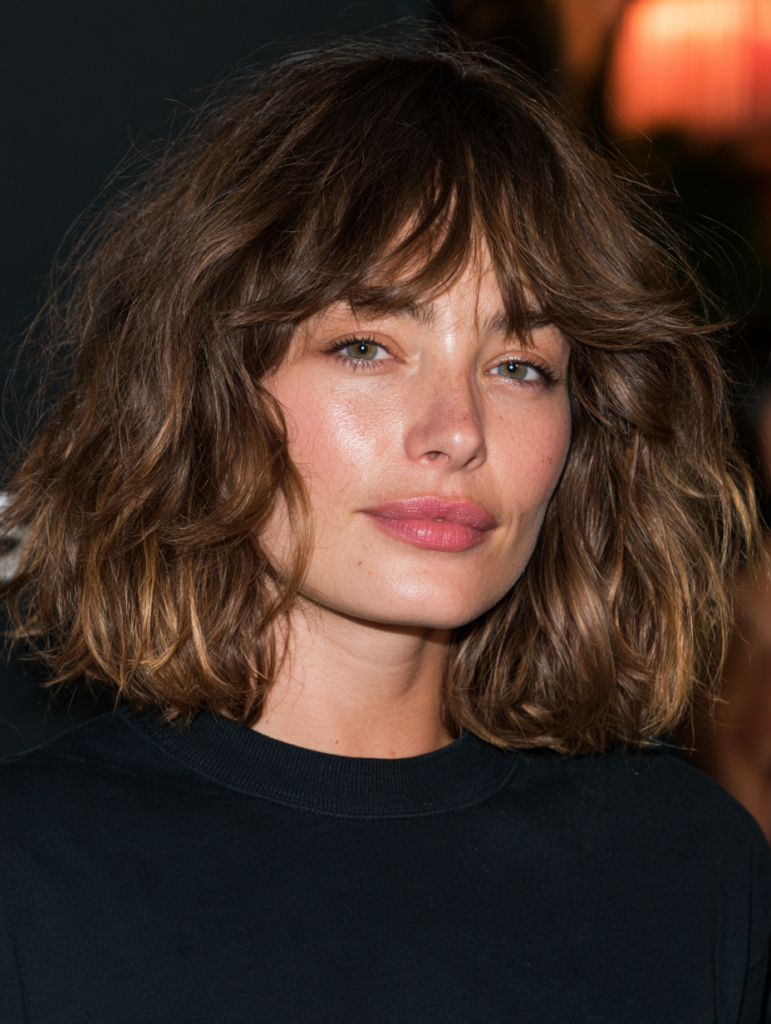
Allow the bangs to retain a slight bend rather than forcing them completely straight. Style the remaining waves with lightweight mousse and gentle scrunching, then separate selected pieces after drying. This combination creates softness around the face while maintaining the carefree texture that gives wavy bobs their distinctive charm.
Asymmetrical Wavy Bob
An asymmetrical bob creates visual interest through deliberately contrasting lengths, while natural waves soften the difference between each side. The uneven structure adds directional movement, giving the hairstyle a distinctive contemporary character without requiring dramatic color or complicated styling.

Keep the longer side substantial enough for the asymmetry to remain noticeable once the waves develop. Apply lightweight wave cream and encourage natural bends with your fingers. Styling the shorter side slightly closer to the head can further emphasize the haircut’s intentional contrast while maintaining a balanced overall silhouette.
Wavy Lob With Face-Framing Layers
A wavy lob extends toward the shoulders, providing extra length while preserving the manageable character of a bob. Face-framing layers introduce movement around the cheekbones and jaw, while longer sections underneath maintain fullness and allow the natural wave pattern to develop.

Encourage texture mainly through the middle lengths and ends, keeping the roots softly lifted rather than excessively voluminous. Lightweight mousse can enhance definition without making the hair rigid. This versatile lob transitions comfortably between air-dried texture, polished waves, half-up styles, and simple ponytails.
Rounded Wavy Bob
A rounded bob creates gentle curvature throughout the silhouette while natural waves prevent the shape from appearing overly precise. Soft internal layers can distribute volume evenly, making the haircut feel balanced while preserving enough weight for healthy-looking, substantial ends.
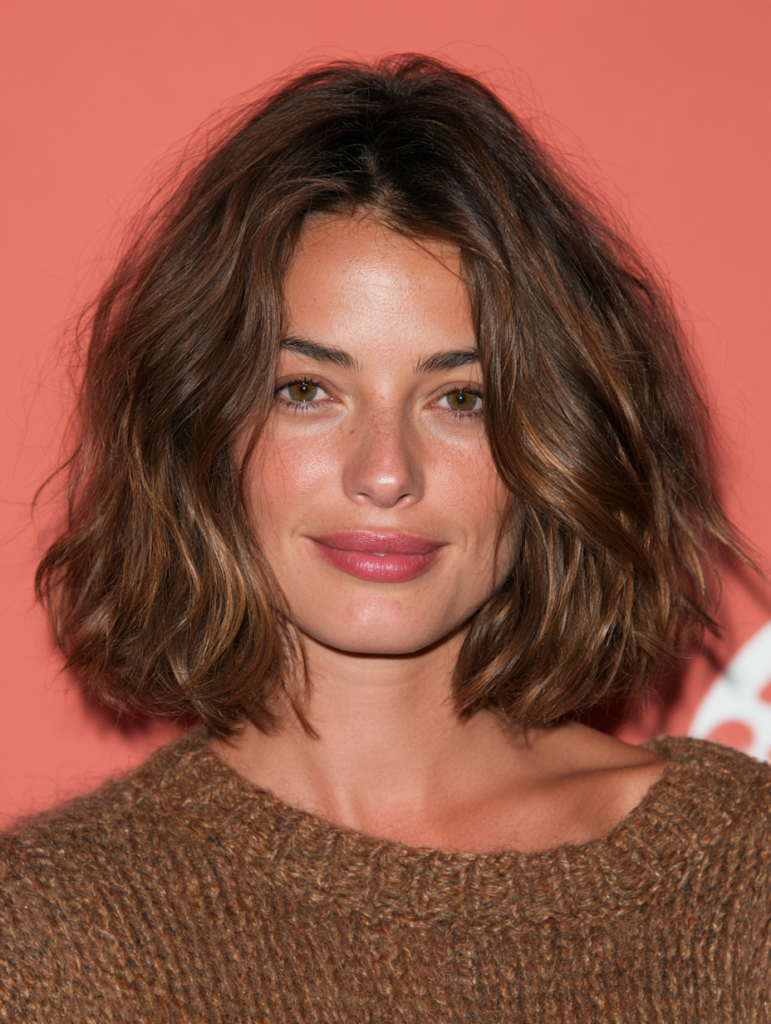
Use lightweight styling cream to encourage definition, then diffuse gently while supporting the waves rather than stretching them completely straight. Once dry, arrange selected sections with your fingertips to refine the rounded outline. This elegant approach combines controlled shape with natural movement, producing a bob that feels polished yet comfortably relaxed.
How to Style Bob Haircuts for Wavy Hair
Begin with products that support the natural wave pattern without making it stiff or heavy. Lightweight mousse, wave cream, or flexible gel can provide definition while preserving movement. Apply products to damp hair, then scrunch gently and either air-dry or diffuse using low heat and minimal handling.
Avoid brushing dry waves unless you intentionally want a softer, expanded finish. Instead, use your fingers to separate or reposition individual sections once the hair is completely dry. When refining texture with heat, work only on selected pieces rather than curling the entire bob, which helps preserve natural variation and effortless movement.
Final Thoughts
Bob haircuts for wavy hair offer an appealing combination of structure and natural texture. Blunt shapes provide density, layered versions encourage movement, and shaggy or asymmetrical cuts introduce additional personality. Waves naturally soften the classic bob silhouette, allowing even highly structured variations to maintain an approachable, effortless character.
Choose your bob according to wave pattern, density, preferred length, and everyday maintenance routine. Whether you favor a compact French bob, textured shag, or shoulder-grazing lob, thoughtful shaping can help natural waves appear defined, balanced, and beautifully expressive without demanding excessive daily styling.
