Shag hairstyles for thin fine hair over 50 can create movement, dimension, and natural-looking volume without requiring a heavily structured finish. The key is using controlled layers rather than removing too much density. Crown lift, wispy fringes, feathered ends, and softly textured lengths can make delicate strands appear livelier while keeping the overall silhouette balanced.
Modern shags are remarkably adaptable, ranging from cropped pixie-inspired shapes to shoulder-length cuts with flowing layers. They can work with straight, wavy, or naturally textured hair when layering is personalized carefully. These 13 shag variations focus on maintaining valuable density while bringing freshness, softness, and effortless character to fine hair.
The Lasting Charm of Lightly Layered Shags
The shag remains relevant because its layered construction creates movement without demanding perfectly polished styling. For thin fine hair over 50, carefully positioned crown layers can encourage lift while longer perimeter pieces preserve valuable density. This balance helps the hairstyle appear airy without becoming sparse.
Another reason for its longevity is flexibility. A shag can incorporate bangs, waves, feathering, or cropped proportions while retaining its recognizable textured character. As hair density and styling preferences change, individual layers can be adjusted, making the haircut adaptable rather than dependent on one fixed silhouette.
Short Feathered Shag
A short feathered shag uses light crown layers to create movement while keeping the lower sections relatively substantial. Feathered ends provide airy separation, giving fine hair texture without removing excessive density from areas that need visible fullness.

Keeping slightly longer pieces around the temples adds softness and prevents the hairstyle from appearing overly cropped. Blow-dry the crown upward using a small round brush, then direct selected ends outward with your fingers. Lightweight mousse provides enough support while preserving the relaxed movement that defines this contemporary shag.
Shaggy Bob With Wispy Bangs
A shaggy bob combines a compact perimeter with restrained layering, helping thin fine hair maintain density while gaining natural movement. Wispy bangs introduce softness across the forehead without requiring the heavier section of hair needed for a traditional full fringe.

Concentrate shorter layers around the crown rather than aggressively thinning the ends. Apply lightweight volumizing mousse before blow-drying, then create subtle bends through selected sections for dimension. Finger separation keeps the texture relaxed, producing a modern bob that feels lively without becoming excessively feathered or difficult to manage.
Shoulder-Length Shag With Curtain Bangs
A shoulder-length shag provides enough length for versatility while strategic layers encourage movement through naturally fine strands. Curtain bangs open softly around the forehead, blending into longer face-framing pieces without removing excessive density from the sides.

Keep the lower layers relatively long so the perimeter maintains a substantial appearance. Blow-dry the fringe outward from the center, then add loose bends through selected sections. This balanced approach creates softness and dimension while preserving enough weight for the hairstyle to feel full, flexible, and comfortably wearable.
Soft Shag With Side-Swept Fringe
A soft shag uses subtle graduation rather than dramatic disconnected layers, making it particularly suitable for fine hair requiring density. Side-swept fringe adds diagonal movement across the forehead while blending naturally into the surrounding face-framing sections.
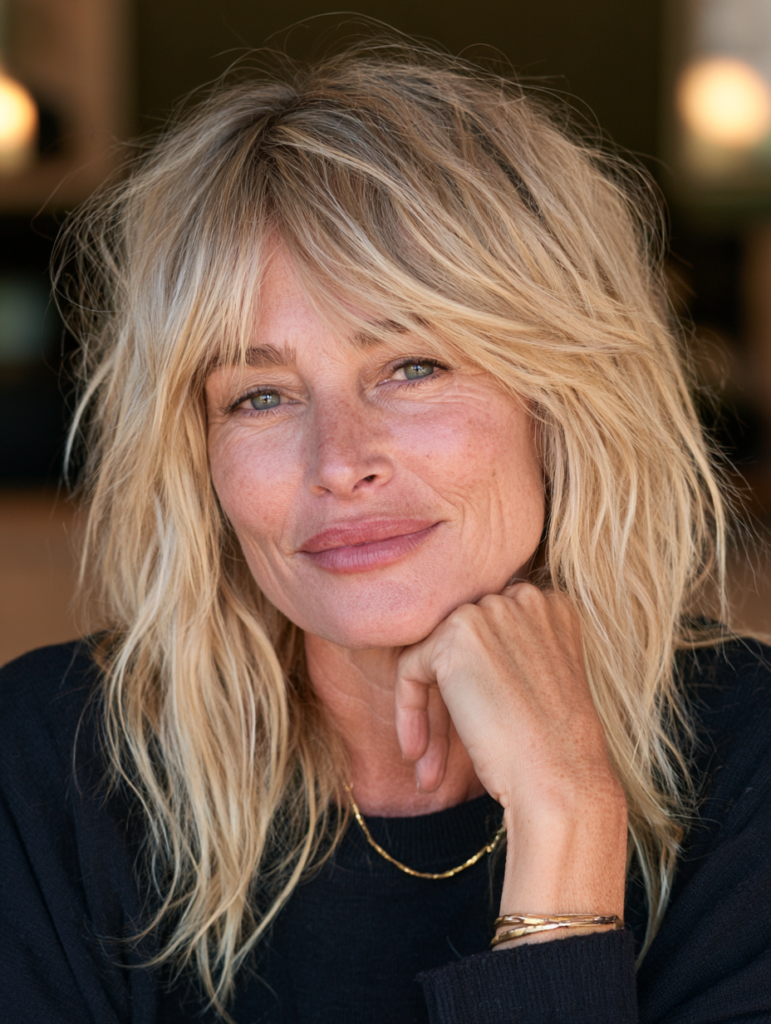
Gentle crown layering can provide useful lift without making the ends appear unnecessarily sparse. Direct the fringe sideways during blow-drying, then lightly separate the upper layers with styling cream. The resulting hairstyle maintains the shag’s characteristic movement while offering a softer, more polished interpretation suitable for everyday wear.
Wavy Mid-Length Shag
Loose waves give a mid-length shag additional dimension, allowing carefully positioned layers to appear fuller and more expressive. Keeping the strongest layering around the crown encourages lift, while longer lower sections maintain density through the perimeter.

Create gentle bends rather than tightly formed curls, alternating their direction for natural movement. Lightweight mousse can provide support without weighing down fine strands or making them feel coated. Once cooled, separate the waves carefully with your fingers, producing a relaxed hairstyle with softness, volume, and contemporary character.
Pixie Shag With Long Bangs
A pixie shag combines cropped convenience with longer textured layers through the crown and front. Extended bangs provide styling flexibility, while shorter upper sections encourage height and movement without requiring significant natural density.
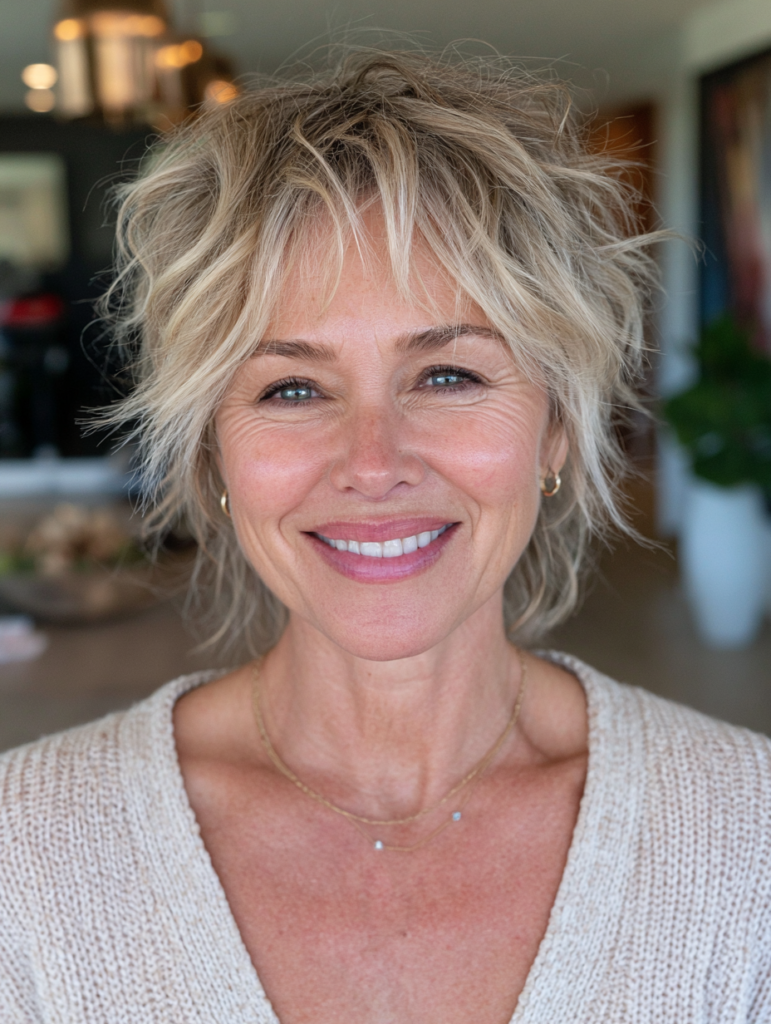
Keeping the sides softly tapered prevents the haircut from becoming overly wide or bulky. Blow-dry the crown upward, then sweep the fringe sideways or allow it to fall casually forward. A small amount of lightweight styling paste can define individual pieces while maintaining the flexible, airy texture essential for fine hair.
Tousled Shaggy Lob
A shaggy lob combines longer proportions with relaxed layering, offering movement without sacrificing too much density from fine hair. Tousled texture creates visual fullness, while a relatively strong perimeter prevents the lower sections from appearing thin or overly feathered.
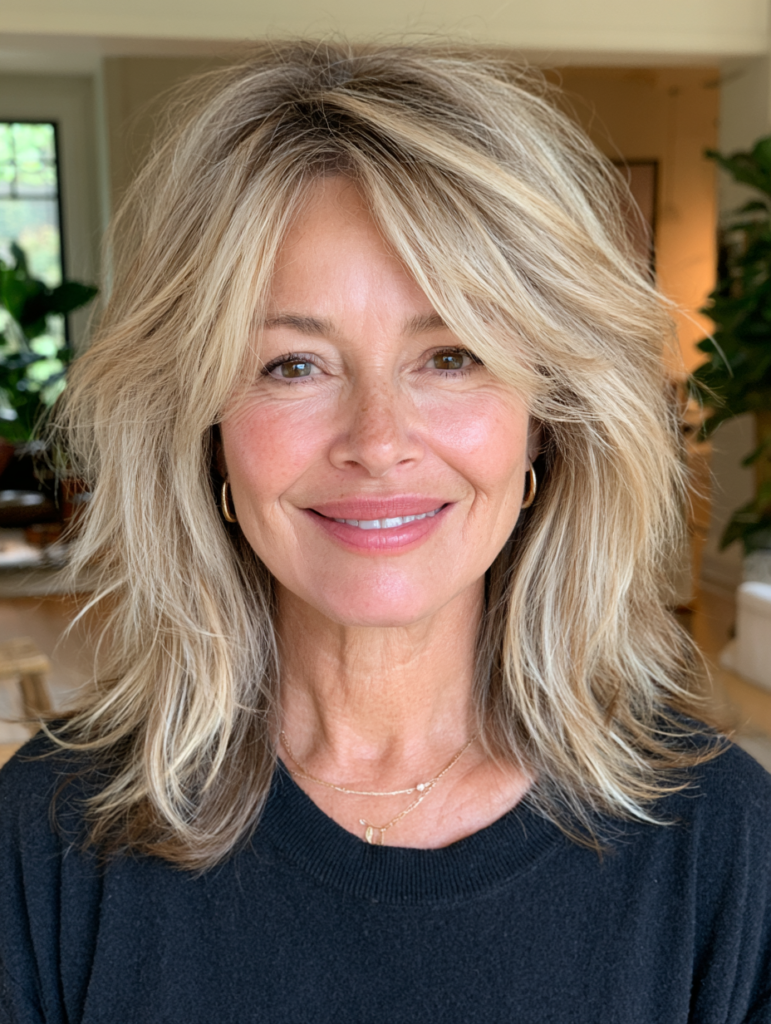
Apply volumizing mousse before drying, then create loose bends through selected pieces rather than curling every section uniformly. Keep some ends straighter to preserve visual weight and modern character. Gentle finger styling finishes the hairstyle, producing effortless dimension that transitions easily between casual and more polished occasions.
Rounded Shag With Feathered Layers
A rounded shag creates soft fullness through carefully blended layers instead of relying on aggressive texturizing. Feathered sections around the crown and sides provide movement, while longer pieces through the perimeter preserve the density thin fine hair benefits from.

Use a round brush during blow-drying to establish controlled root lift and gently curved movement. Direct selected ends outward to emphasize the feathered character without creating excessive separation. This softer interpretation of the shag feels elegant and approachable while still providing the dimension and texture associated with layered hairstyles.
Shag With Bottleneck Bangs
Bottleneck bangs bring contemporary detail to a shag by starting shorter near the center and gradually lengthening toward the temples. Their curved shape blends naturally into face-framing layers while allowing fine hair to retain valuable density through the surrounding sections.
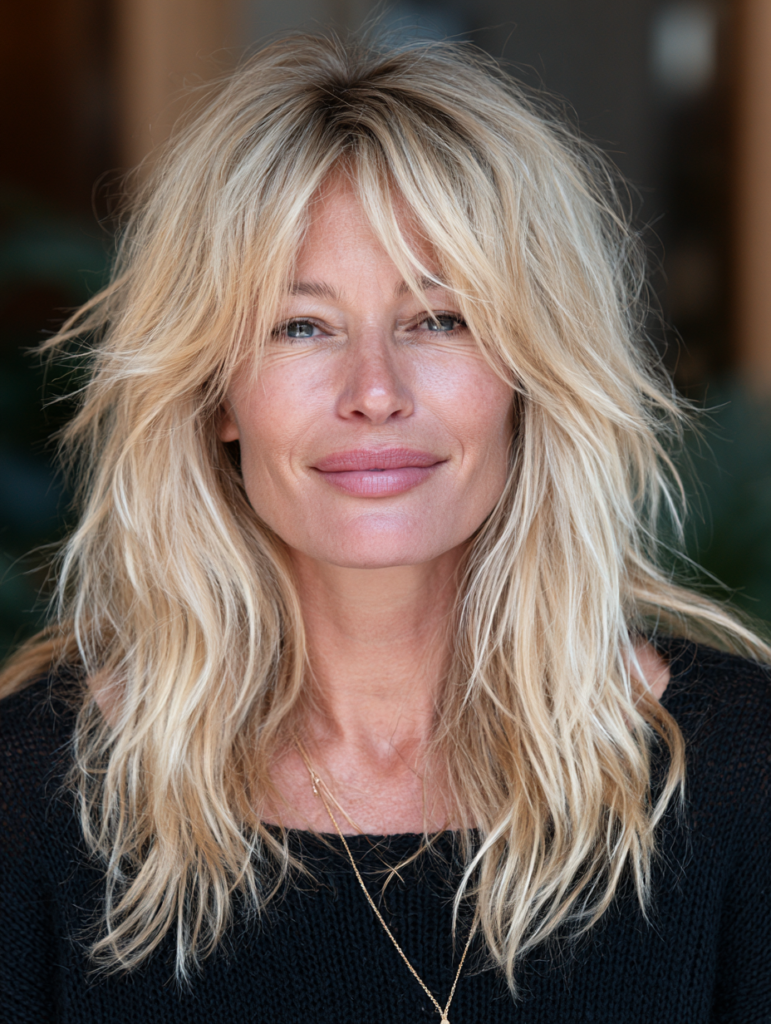
Keep the remaining layers soft and strategic rather than heavily razored throughout the perimeter. Blow-dry the fringe outward with a small round brush, then encourage subtle crown movement using lightweight mousse. This combination provides fresh character while maintaining a balanced, fuller-looking silhouette.
Chin-Length Shaggy Bob
A chin-length shaggy bob removes excess weight that can make fine hair appear flat while preserving a compact, substantial perimeter. Light crown layers introduce lift, and softly separated ends provide enough texture to keep the hairstyle lively.
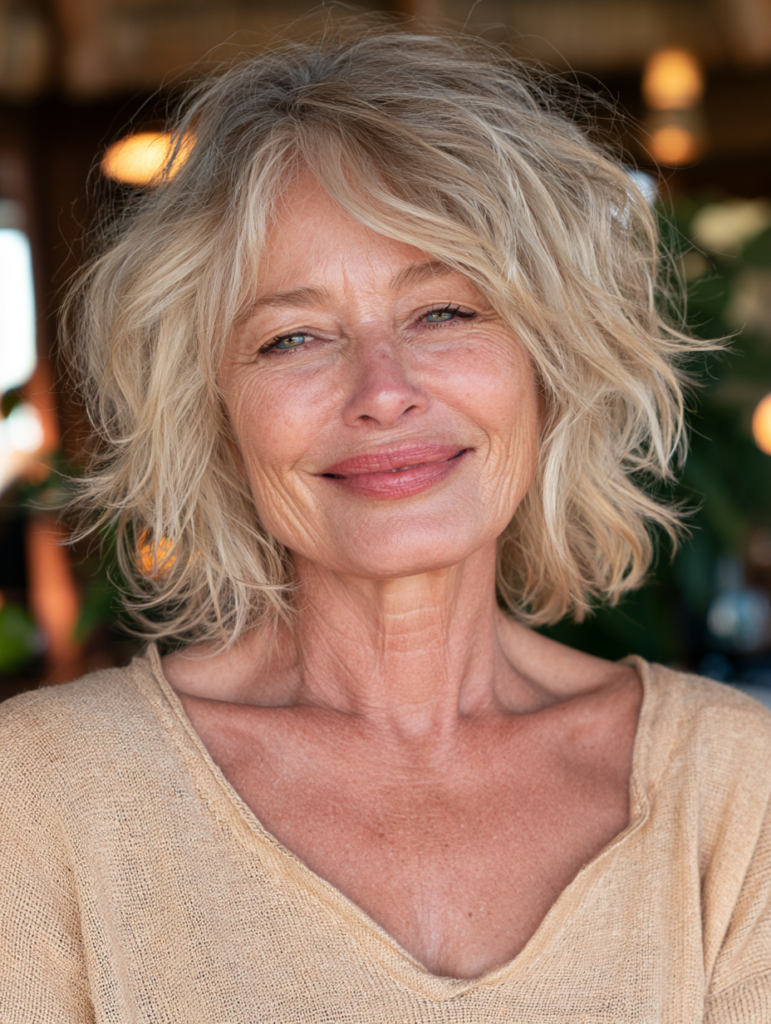
Avoid excessive thinning around the lower sections because visible density remains important at this shorter length. Apply root-lifting spray before blow-drying, then add a few relaxed bends through selected pieces. This approach creates an easygoing bob with the movement of a shag and the structure of a classic short cut.
Side-Parted Layered Shag
A side-parted shag creates immediate root lift by directing fine hair away from its usual growth pattern. Restrained layering through the crown adds dimension, while longer side sections preserve enough weight to prevent the hairstyle from appearing overly wispy.

Blow-dry initially against the natural part before repositioning the hair once it has cooled. This technique encourages additional elevation without requiring heavy styling products. Gentle texture through the lengths completes the hairstyle, creating a flattering combination of volume, movement, and relaxed sophistication for everyday styling.
Curly Soft Shag
A curly soft shag uses carefully positioned layers to encourage natural movement without removing unnecessary density from fine curls. Shorter crown sections provide lift, while longer layers underneath help maintain fullness and prevent the overall silhouette from appearing sparse.

Moisture and gentle handling are especially important when preserving definition in finer curl patterns. Apply lightweight curl cream to damp hair, then diffuse with minimal manipulation. Once completely dry, lift selected roots with your fingertips to create airy volume while keeping the curls soft, defined, and naturally expressive.
Modern Shag With Face-Framing Layers
A modern shag combines subtle crown texture with longer face-framing layers, creating movement without the heavily disconnected appearance of traditional versions. This restrained approach preserves density while giving thin fine hair enough variation to appear fuller and more dimensional.

Keep the shortest front pieces long enough to blend naturally into the surrounding hairstyle. Blow-dry them away from the face, then create gentle bends through selected lower sections. Lightweight texturizing spray can provide separation while maintaining the soft, flexible finish that makes this contemporary shag particularly wearable.
How to Style Shag Hairstyles for Thin Fine Hair Over 50
Begin with lightweight volumizing mousse or root spray, concentrating product around the crown where shorter shag layers naturally encourage elevation. Blow-dry against the direction of growth for additional lift, then allow the roots to cool before arranging the hairstyle. Avoid excessive teasing because fine strands can quickly become tangled or lose natural movement.
For textured shags, create loose bends selectively rather than curling every section. Dry shampoo can provide grip between washes, while lightweight texture spray helps define feathered ends. Keep rich oils and heavy creams away from the roots, and use only small amounts through dry ends when additional smoothness is necessary.
Final Thoughts
Shag hairstyles for thin fine hair over 50 can provide volume and movement when layering is carefully controlled. Crown texture creates elevation, longer perimeter pieces preserve density, and wispy or curtain bangs introduce softness without requiring excessive hair. The strongest versions balance airy texture with enough weight to keep delicate strands looking substantial.
Choose your shag according to natural density, texture, and preferred styling commitment. Whether you favor a cropped pixie shag, shoulder-length layers, or a tousled lob, thoughtful shaping can give fine hair a fresh, dimensional, and effortlessly modern character.
